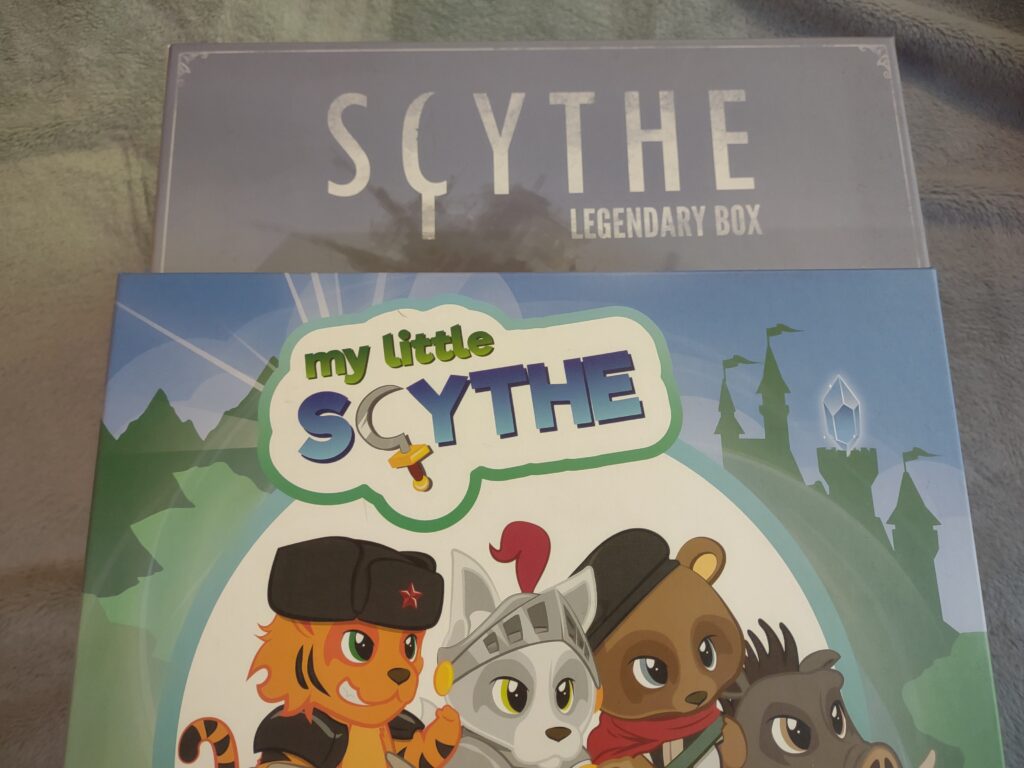
If anyone knows anything about me, they generally are aware of three things. One, my household is a family of Trekkies. Two, I am a huge Title IX nerd, and I will happily jabber on and on about the new policies or whatever university is currently dealing with a Title IX scandal. And three, we are a family of board gamers. In fact, we had a board game themed gender reveal for my youngest child. The rite of passage in my house is when you graduate from playing the “My First” version of a game to the actual game.
When it came time to find a TED talk to analyze for the first assignment for my Communication and Leadership class, I knew I was going to look for a talk related to one of three commonly known facts about me. I did find an interesting Star Trek related TED Talk, but the speaker did not use any visual aids which would not work for this assignment. After falling down a rabbit hole of TED Talks on various subjects, I found one suitable for completing this assignment.
Enter Kevin Spak and Sam Liberty with a title of Tales from the Cardboard Fun Lab (TEDx Talks, 2012). For the analysis of this presentation, I will be using the Vrooman Public Speaking Rubric (which can be found at the bottom of the post because I cannot figure out how to embed it right here!) to analyze the different areas of this TED Talk. These areas are: introduction, delivery, visual aids, support, argument, organization, and conclusion. While I will not be scoring each section, I will be looking at what I thought the speakers did well and what they did not do well. This critical analysis is grounded in The Zombie’s Guide to Public Speaking and the Vrooman Speaking Rubric.
An Introduction Introduces Something, Right?
Yes, an introduction introduces some person, idea, or concept. But when giving a speech, is the speaker supposed to introduce themselves or the topic of their speech? Should they introduce both things or none of the things? If you answered none of the things, we need to have a chat just to clarify what should happen in an introduction.
Ideally, what should be included in an introduction is an attention getter, the topic, introduction of self, and a sneak peek at the main points (Vrooman, 2015). Spak and Liberty begin their talk by asking the audience a question, “what is fun?”. They then provide some different illustrations of activities people have done for fun. They introduce their topic of designing board games and how to make a game fun. Around the two-minute mark, Spak and Liberty bring up their expertise as board game designers and how they meet up with other board game designers once a month to play test games. At the three-and-a-half-minute mark, they begin to provide a sneak peek at the main points of their speech by highlighting what makes a roller coaster, a party, and a chess game fun. While there was no formal introduction of the speakers, there was also no formal introduction of their expertise in the area of board game design. Spak and Liberty wait until near the end of the presentation to mention the game they are designing. There was no mention of any previous games they have designed or how many years they have been designing games (TEDx Talks, 2012).
Delivery in Under 30 Minutes or It’s Free
If all speeches and lectures were under 30 minutes, I would be in heaven. I can generally keep my short attention span engaged for half an hour. Vrooman (2015) lists energy as one of the most important aspects of delivery for a speech. The first person I think of when I picture energy and delivery is Robin Williams. He moved around the stage, engaged with the audience and kept them engaged for the duration of his time on stage.
Spak and Liberty interact with each other while giving their speech. They take turns talking and presenting in a way that does not feel forced. They use humor as way to move their narrative along which makes the presentation accessible to an audience who may not know much about the current revival of board games. By using Candyland as the base game for explanation, they are using a game a large portion of society has seen or played. De Coske and White (2010) advise speakers to avoid overwhelming their audience with too much information. Spak and Liberty present information about the development of board games without overwhelming the audience (TEDx Talks, 2012). They take the audience through a simplified process from start to finish using a blue print as a visual aid.
I am a MIchigander, I Always Have a Visual Aid
Yes, this stereotype is true. I have yet to meet a Michigander who does not hold up their hand to show where they live. Not everyone has this handy (yes, I went there) map to illustrate where they live or what they do. Visual aids should enhance the presentation without overloading it. No one wants to read six blocks of texts on a power point presentation.

I felt the speakers used visual aids fairly well. The visual aids called attention to the point they were trying to make and interacted with the visual aids. With the first visual aid screen, the speakers were attempting to illustrate fun. They showed different things people may enjoy and consider fun (a roller coaster, a party, and a chess game). With those same pictures, they also zoomed in on a picture of one of the speakers playing in a big pile of yarn (TEDx Talks, 2012). This picture and their interaction with it provided some humor for the audience.
Another visual aid the speakers used was a timeline to introduce an aspect of board game design. Rather than showing the entire time line, they zoomed in on one year at a time. Zooming in on one year before moving on to the next year kept the audience from feeling overwhelmed.
The speakers also repeated some of the slides in their slide deck to help weave together the loose ends of their talk and reinforce the points they were making. They ended their presentation with one of the slides from the beginning while asking the same question they asked at the beginning.
An area where I felt there could have been improvement was leaving the slides up in the background. Once they were done with a slide, the slide was either left on the screen or they went back to the initial screen from when they started the talk. The slide from the beginning of the talk was a very busy slide with a variety of small items which are important to the world of board games and the presentation. However, leaving that slide up created some visual clutter in the background
Letters of Support
Traditionally support in a paper or speech will come from sources and research. The presentation on board game design and defining fun does not have any sources cited. Spak and Liberty are using their own expertise to serve as the supporting structures of their presentation. They did include two definitions in their presentation, but they did not include any citations as to where they found the definitions.
Spak and Liberty did meet some of the other criteria on the rubric. They used appropriate humor throughout their narrative. The figurative language was geared more towards board gamers when they were discussing specific aspects of game design; however, there were times when it was accessible to the entire audience.
For Argument's Sake
The Zombie Guide to Public Speaking (Vrooman, 2015), Vrooman presents an idea of connecting hierarchies to help make the argument in a presentation. Vrooman demonstrates the idea of connecting hierarchies with board games (Vrooman, 2015). This hierarchy works well for the game design presentation by Spak and Liberty. They move through different steps of game design and what emotions they want players to feel as they progress through the game. Spak and Liberty use Candyland to illustrate the steps in game design and possible emotions players will feel as they play the game.
One could argue they committed the bandwagon fallacy with the assumption everyone finds roller coasters and parties to be fun. But since they discussed the feeling of tension when riding a roller coaster, it may not have been a true bandwagon fallacy.
Organization (Sorry, I Was Not Able to Come up with a Cute Title for Organization)
In the organization of a speech, transitions need to be made to help with the flow of the speech as well as keeping the attention of the people around you. One aspect of organization and transitions for presenters is the internal previews and summaries which give the audience a preview of what is coming while also providing a quick summary of the information just presented.
When Spak and Liberty are going through their ideas on what links the pictures on their first slide together, they are giving the audience a preview of what is to come. When they reach each section of their presentation, they tie it back to some of the key words used to describe the pictures. When discussing board game design, Spak and Liberty use the example of Candyland. They add different mechanics to Candyland as examples of creating tension and challenges in the game. After the Candyland example, they begin to explain the process of designing a board game.
I Just Triggered the End of the Game
The ending of a presentation is something a lot of people look forward to. The speaker is looking forward to the end of the speech because it means they are done, and they no longer have to stand in front of an intimidating audience of people who may or may not want to be there. The audience is looking forward to the conclusion because it means they can stop listening, stand up, and grab a snack or run to the restroom. Ideally, a conclusion should tie the presentation together and signal the end of the presentation.
Spak and Liberty do not have a specific moment where the audience can identify this is the beginning of the end. They do harken back to their introduction and mention thinking about what makes people tick and what brings them joy. They end with their very first question of what is fun.
Final Thoughts
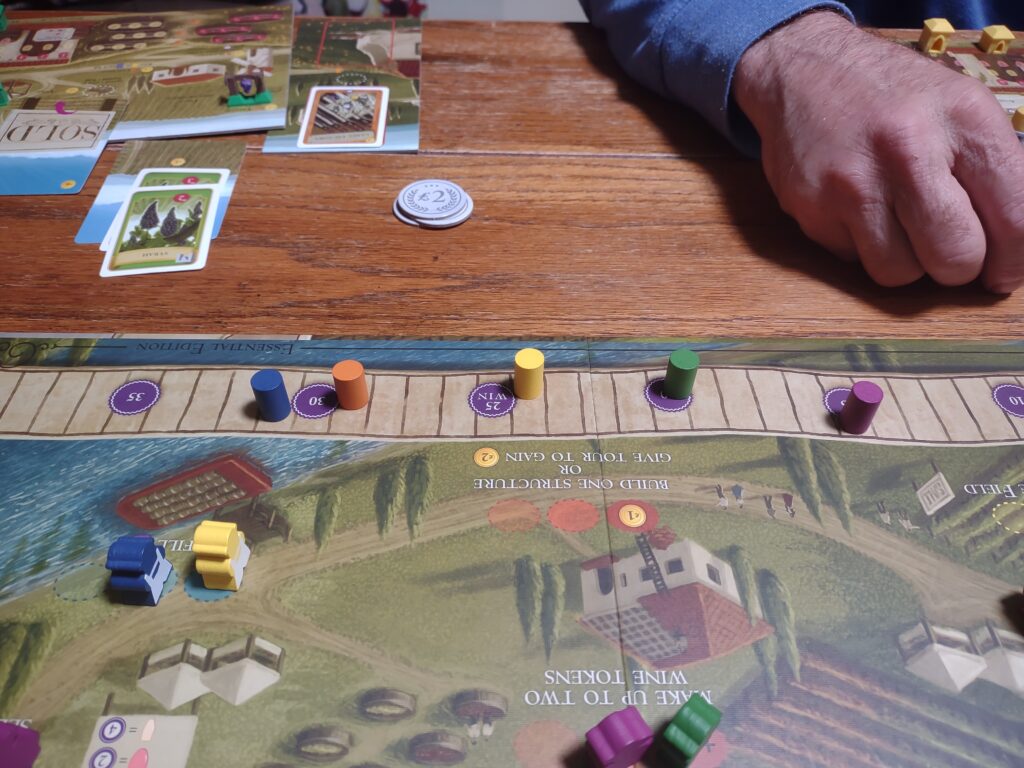
In my personal experience with board games, I have witnessed players engage in a post-game analysis to discuss what they would do differently they next time they play that particular game. Overall, Spak and Liberty gave the audience a very entertaining presentation. They would have scored decently on their visual aids. They constantly went back and tied the current topic to previous topics and the general topic of the presentation. They used their visual aids to tie everything together. They would have lost points for leaving their slides up for the entire presentation. There were some missing sources for the timeline. The repetition of asking what defines fun was a good way to bring the ending back to the beginning.
Gring (2006) discusses how presentations can create both positive and negative reactions from the audience. Presenters (and those who assess the presenters) should focus on the presenter’s ability to evaluate the situation and adapt their presentations as needed (Gring, 2006). Spak and Liberty were speaking to an audience with a variety of interests and backgrounds rather than to a audience of board game enthusiasts. As such, they were able to ensure their speech was accessible to every audience member. I would have liked to see some more information about the board games they designed, but I play board games on a regular basis and the process of game development is interesting to me. While the presentation may not have provided enough meat for an avid and experience board gamer, it did introduce the process of game development for a mass audience.
References
DeCoske, M. A., & White, S. J. (2010). Public speaking revisited: delivery, structure, and style. American Journal of Health-System Pharmacy, 67(15), 1225+. http://dx.doi.org.ezproxytlu.idm.oclc.org/10.2146/ajhp090508
Gring, M. A. (2006). Epistemic and pedagogical assumptions for informative and persuasive speaking practices: disinterring dichotomy. Argumentation and Advocacy, 43(1), 41+. https://link-gale-com.ezproxytlu.idm.oclc.org/apps/doc/A170507883/AONE?u=txshracd2574&sid=bookmark-AONE&xid=9280eb59
TEDx Talks. (2012. July 17). Tales from the cardboard fun lab: Kevin Spak and Sam Liberty. [Video]. YouTube. https://www.youtube.com/watch?v=LGZ7o5xyXyo&t=311s
Vrooman, S.S. (2015). The zombie guide to public speaking: 2nd “dead”ition, re-animated. Createspace
Powered By EmbedPress