I am enrolled in a Doctorate of Education program through Texas Lutheran University. The class I am currently enrolled in is a communications and leadership class. Communication is not something we consciously think about all the time because we do it all the time. We talk to our co-workers and send emails throughout the day. We text our significant other. We may even rattle off a list of chores and activities for our kids to do over the summer. When was the last time you felt truly engaged in communication with another human being?
I got together with two of my classmates to create a mini-podcast to discuss our thoughts about one of our text books (Leadership, Communication, and Social Influence: A Theory of Resonance, Activation, and Cultivation) for this class. We had to utilize Zoom for our podcast since we live in three different time zones! We have affectionately begun to call ourselves the Three Amigos. Although we have not decided who embodies the Chevy Chase, Steve Martin, or Martin Short characters.
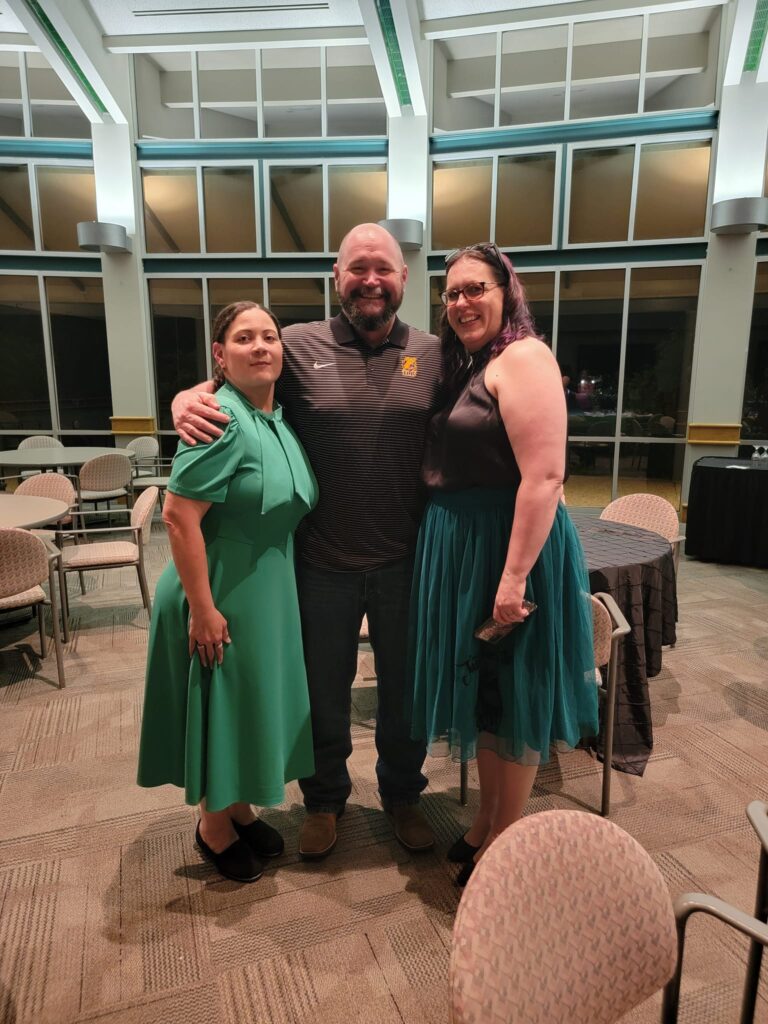
Drum roll, please (actually, no drum roll please. My 10-year-old is taking drum lessons and he is learning how to do a drum roll, and I have heard nothing else for a week)!
In keeping with the title of this blog, here are the key takeaways we discussed in our podcast.
The stages of change can help to create resonance, activation, and cultivation
This was something that resonated with all of us throughout our reading. I really need to focus on the first two stages of getting attention and establishing engagement when it comes to creating change.
Everyone aspires to be an influencer in some manner
This is one of the things to really stand out for me. The rise of social media and social media influencers really illustrates this takeaway. How many times do we buy something because we saw it on TikTok?
Servant leadership helps create buy-in from followers
As leaders we can practice what we preach by being supportive of our followers as we work through the desired change. Leading by example and creating supportive structures can help increase buy-in and resonance with our followers.
Visible and invisible symbols help support communication goals
The visible symbols, like a picture of an elephant or an email, are influence by the meanings (invisible symbols) ascribed to the visible symbol.
Leadership Competencies can influence cultivation. The communication competency asks leaders to analyze the messages they put out to their followers. Leaders also need to evaluate what may be causing resistance among their followers.
Identify the limiters
Identifying the areas of communication which are creating resistance and dissonance and addressing them can help build trust between the leader and followers.
We can choose the information we want to follow and put into practice
The funniest insight from the book, for me, is also the most honest. Early on, the authors remind the reader that we all have a choice in what we do with the information presented in the book. As a leader or a follower, each individual person has the opportunity to decide which practices best suit their leadership or followership style. This applies to all areas of our lives. In every situation, we have the ability to choose and make decisions based on the available information.
What we discovered while preparing for our podcast is, while we all had different takeaways, our takeaways connected and linked to each other. We were able to make new connections with the different pieces of information. It just goes to show collaboration between leaders can lead to new connections and new insights which benefit everyone involved. There are so many other helpful and interesting things in this textbook. If you have not had a chance to flip through it and read it, I suggest you check it out and see if it offers any insights for you and your leadership journey.
Reference
Ruben, Brent & Gigliotti, Ralph. (2019). Leadership, communication, and social influence: A theory of resonance, activation, and cultivation. 10.1108/9781838671181.